
Piles ( Hemorrhoids )
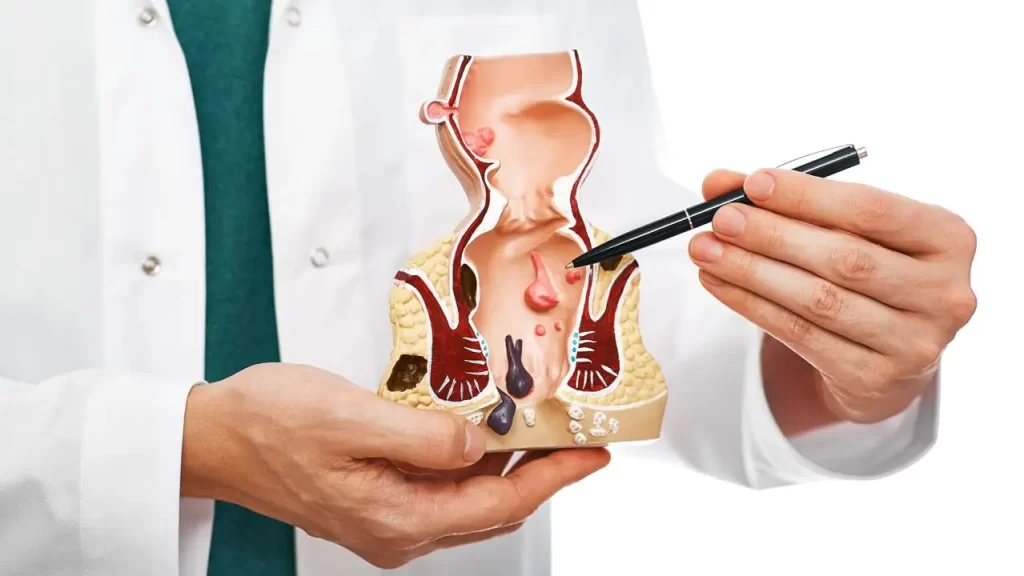
Piles (Bawasir / Mulvyadh), medically termed Hemorrhoids, refer to the swollen veins located around the anal region. When there is excessive pressure in these veins—due to factors like constipation or straining—they become enlarged and form small lumps or swellings near the anus, sometimes noticeable or painful during bowel movements.
Causes of Piles
- Chronic constipation
- Straining during bowel movements
- Pregnancy, obesity
- Low-fiber diet
- Heavy lifting
- Sedentary lifestyle
Symptoms Of Piles
- Painless bleeding while passing stools
- Feeling a lump outside the anus
- Pruritus ani or itching around the anus
- Faissal soiling of undergarments
- If a blood clot forms in the hemorrhoids ( Thrombosed hemorrhoids ) it leads to a severely painful swelling which worsens with bowel movement and sitting.
Diagnosis Of Piles
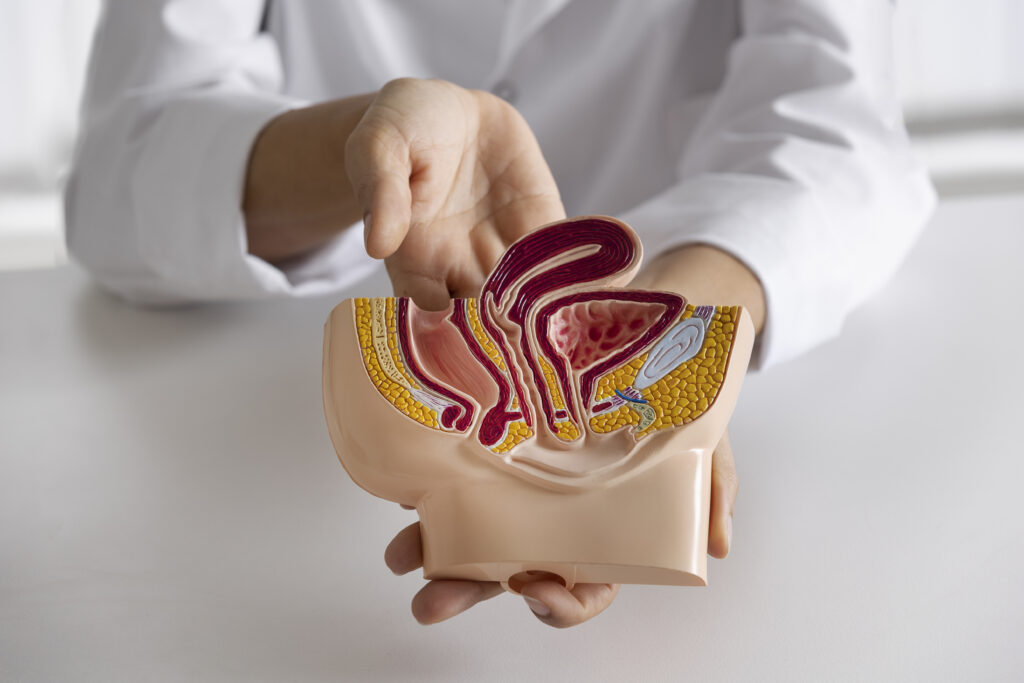
Piles are typically diagnosed through a combination of your medical history, symptoms, and a physical examination, which may include a digital rectal exam to check for lumps and a visual inspection with a tool like an anoscope. Your doctor might also order further tests, such as sigmoidoscopy or colonoscopy, to rule out more serious conditions or check for anemia, especially if there’s significant bleeding
Diagnosis Of Piles
There are some common questions focus on treatment options like over-the-counter creams and lifestyle changes, when surgery is necessary, and whether they are related to more serious conditions like cancer. Therefore we have answered a few questions here to give you a clear picture for a piles free life.
Frequently asked questions :-
- What is the best treatment for piles
The best treatment for piles (hemorrhoids) depends on their severity but often starts with lifestyle changes like a high-fiber diet and plenty of fluids to prevent constipation and reduce straining. Piles can be classified into 4 grades. Initial grades of piles can be treated with medications, physiotherapy and ayurvedic treatment. But if the disease advances then surgery is recommended. Laser surgery for piles or hemorrhoids is painless and bloodless. Also there is negligible recurrence rate after the surgery.
- How do you treat piles
To treat piles (hemorrhoids), you can use home remedies like warm sitz baths and cold compresses to relieve swelling and discomfort. Increasing your fiber intake, staying hydrated, and getting regular exercise are crucial to prevent and manage piles. If these remedies don’t work then surgery is recommended.
- Why do you get Piles
You get piles (hemorrhoids) when blood vessels in and around your anus and rectum become swollen and irritated, often due to excessive straining during bowel movements. Major contributing factors include chronic constipation, a low-fiber diet, dehydration, obesity, and prolonged periods of standing or sitting
- Can any physian treat piles
One must consult piles specialist for piles treatment. As only the specialist can suggest you the right treatment. Piles specialist is known as proctologist or colorectal surgeon.
- What do I feel during the procedure?
you will feel pressure, but not pain, during the Procedure
- What happen after procedure
You will normally be able to start drinking water shortly after the procedure and can start eating as soon as you are hungry. You will be able to get out of bed a few hours after surgery.
You are likely to have some pain after the procedure that is easily controlled with painkillers. You can expect a small amount of bleeding and wearing a pad will protect your clothes from getting soiled. - when can I go home
If your operation is planned as a day care procedure you can go home as soon as the effect of the anaesthetic has worn off, you have passed urine and you are comfortable, eating and drinking. Since a general anaesthetic is used, it is advisable that a responsible adult take you home and stay with you for 24 hours.
Before you are discharged you will be advised about post-operative care, painkillers and laxatives. - When will I get back to my routine activities?
You can return to normal physical and sexual activities when you feel comfortable. Anal sex should be avoided.
You can return to work usually by the 5th day after the surgery, although this also depends on the type of work you do.
Call Today
9988730422