
Fissures
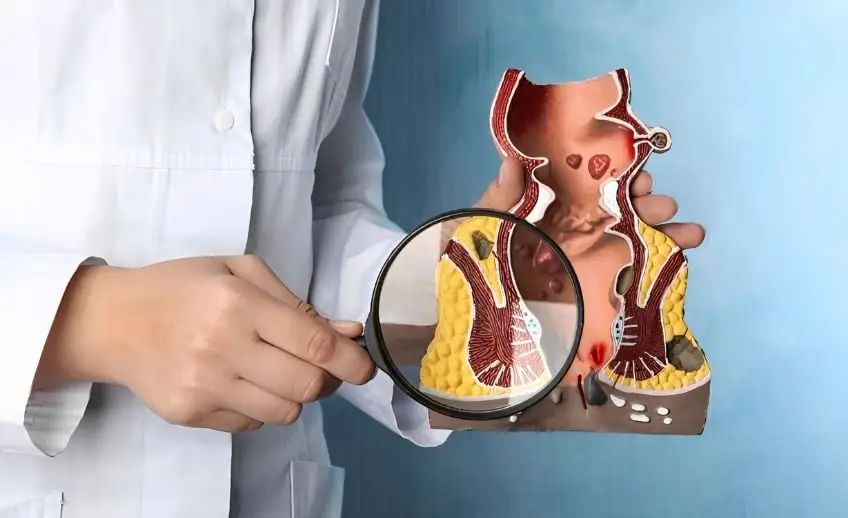
An anal fissure, also known as a fissure-in-ano, is a small tear or cut in the delicate skin of the anal canal. This painful condition can affect both men and women of all age groups, including infants. Anal fissures are commonly found in the back part of the anus, in line with the buttock cleft.
A fissure that lasts for less than 6 weeks is called an acute fissure, while one that continues for more than 6 weeks is referred to as a chronic fissure. Chronic fissures are usually more difficult to heal and may develop a small skin tag known as a sentinel pile.
At our clinic in Ludhiana, we offer advanced laser fissure treatment that promotes quick healing, minimal pain, and faster recovery. Our experienced specialists ensure effective care for both acute and chronic fissures using modern and safe techniques.
Causes of Fissure
An anal fissure usually develops due to injury or strain in the anal canal. Several factors can contribute to this condition, including:
Hard stools and constipation: Straining during bowel movements or passing hard stools can tear the delicate lining of the anal canal.
Diarrhoea: Repeated or forceful bowel movements may irritate and damage the anal skin.
Medical procedures: A tear can occur accidentally during the insertion of instruments such as a rectal thermometer, ultrasound probe, endoscope, or enema tube.
Childbirth: The pressure during delivery may sometimes lead to an anal tear.
Anal intercourse: Can cause trauma to the anal lining, increasing the risk of fissure formation.
Less common causes: Conditions such as Crohn’s disease, leukemia, tuberculosis, sexually transmitted infections, and certain viral infections can also lead to fissures.
Symptoms Of Fissure
Severe pain during bowel movement – Passing stools can be extremely painful, often described as sharp, cutting, or burning. Many patients begin to fear bowel movements, which can lead to stool retention and worsening constipation — creating a continuous cycle of pain and trauma.
Bleeding – Bright red blood may appear as streaks on the stool or on toilet paper after defecation.
Straining during stools – The anal sphincter often goes into spasm, making it difficult to pass stools without effort or discomfort.
Itching around the anus (Pruritus Ani) – Persistent itching and irritation are common due to the fissure and inflammation.
Foul-smelling discharge – A mild, unpleasant discharge may sometimes occur due to the fissure or secondary infection.
Sentinel pile – In chronic cases, a small skin tag or lump may develop at the edge of the fissure, indicating a long-standing issue.
Diagnosis of Fissure
A detailed medical history along with a simple external examination of the anal region is usually sufficient to confirm the diagnosis of an anal fissure.
In some cases, your doctor may recommend additional tests to rule out other possible underlying conditions that could be causing similar symptoms.
Frequently asked questions :-
- Is surgery necessary for fissure?
A fissure that lasts less than 6 weeks is called an acute fissure, while one that persists beyond 6 weeks is a chronic fissure. Most acute and even some chronic fissures can be managed with medicines, lifestyle changes, and Ayurvedic therapies. However, if the condition becomes severe or doesn’t respond to treatment, surgical intervention may be required.
- Is fissure surgery painful?
Laser treatment for fissure is a painless and bloodless procedure. It is performed under local anesthesia, ensuring complete comfort for the patient. Any minor post-surgical discomfort is effectively managed with prescribed painkillers.
- How long does it take for a fissure to heal?
An anal fissure is a small tear near the anal opening and generally heals within 3–4 weeks with proper medication and home care. In the case of laser surgery, patients can resume their normal activities the very next day, and complete healing usually occurs within 1–2 weeks.
- Which surgery is best for fissure?
The most effective surgical option for fissure is Laser Sphincterotomy. This advanced laser procedure, performed using the Leonardo Laser system, ensures faster healing, minimal pain, and no blood loss..
- What foods should be avoided in fissure?
Avoid foods that cause constipation, such as processed or spicy items. Instead, include plenty of fiber-rich foods, fruits, vegetables, and increase your daily water intake to keep stools soft and prevent strain during bowel movements.
- How can a fissure be permanently healed?
Permanent healing of fissures is possible with a combination of medications and healthy lifestyle habits. Regular physical activity, adequate hydration, and a fiber-rich diet play a key role. Additionally, sitting in warm water (sitz bath) after bowel movements can soothe pain and speed up recovery. depending on your recovery progress.
Call Today
9988730422