
Fistula
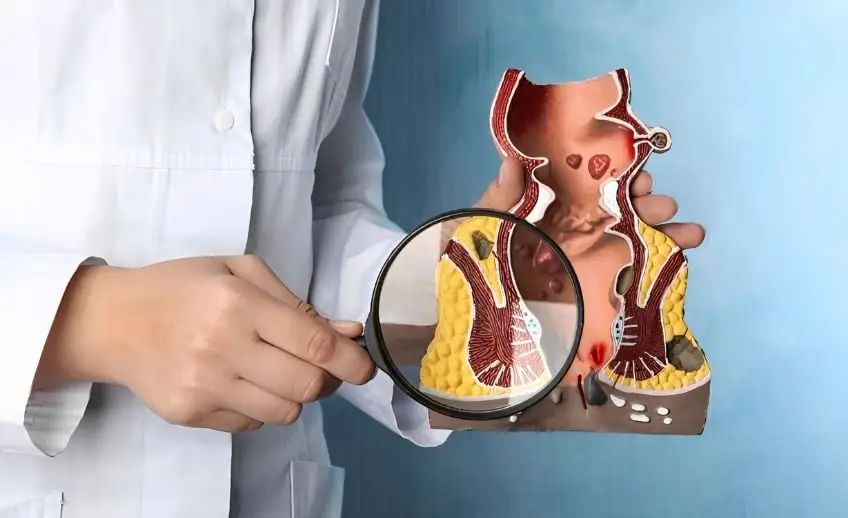
An anal fistula (Bhagandar / Fistula-in-ano) is an abnormal small tunnel that forms between the end of the bowel and the skin near the anus. It usually develops due to a past or existing anal abscess. The fistula tract has two openings — an internal one inside the rectum or anal canal, and an external one on the skin of the buttocks.
Causes of Fistula
Anorectal Abscess: Most anal fistulas develop due to a previous anorectal abscess. It begins as an infection in one of the anal glands, leading to the formation of a pus-filled cavity (abscess). When the abscess does not heal completely, even after treatment, a fistula may form.
Inflammatory Bowel Conditions: Diseases that cause intestinal inflammation, such as Crohn’s disease and diverticulitis, can lead to fistula formation.
Malignancy: Cancer in the anorectal region may contribute to fistula development.
Infections: Certain infections like tuberculosis, HIV, and sexually transmitted diseases can cause fistulas.
Post-Surgical (Iatrogenic): Sometimes, a fistula may occur as a complication after surgery in the anal or rectal area.
Symptoms Of Fistula
Continuous or throbbing pain around the anus, which may worsen while sitting
Swelling, redness, itching, or tenderness near the anal area
Discharge of pus or blood that often has a foul smell
Pain or discomfort during bowel movements
Occasional fever or general feeling of illness
Diagnosis of Anal Fistula
In most cases, a detailed medical history and clinical examination — including a digital rectal exam — are sufficient to diagnose an anal fistula. During the evaluation, a proctoscopy (a simple procedure using a small tube-like scope) may also be performed to check for any associated rectal conditions.
For complex or recurrent cases, an MRI Fistulogram may be advised to clearly identify the fistula tract. Fistulography, an older X-ray technique that involved injecting a contrast dye, is no longer preferred as it can sometimes create a false tract due to the pressure of the injection.
Diagnosis Of Piles
Only someone who has experienced a fistula-in-ano can truly understand how uncomfortable and distressing it can be! Based on our extensive experience in treating fistula cases, we’ve learned that a successful outcome depends not only on the surgeon’s expertise but also on the patient’s cooperation and self-care. Below are answers to some common questions patients often have during their treatment journey.
Frequently asked questions :-
- What will I feel during the procedure?
It’s a completely safe and comfortable experience. You’ll only feel a small needle prick while preparing for the procedure. The surgery usually takes about 30 minutes. In some cases, only the lower part of your body is numbed, so you may stay awake and even chat with your doctor during the process.
- Is the laser probe inserted into the fistula tract during laser surgery? How does it work?
Yes. The laser probe is gently inserted into the fistula tract, and laser energy is applied around it to seal and heal the tract. The healing occurs naturally through a process called secondary intention.
- What happens after the operation?
You can start drinking water soon after the procedure and eat when you feel hungry. Most patients can walk within a few hours. Some mild pain or discomfort is expected, which can be easily managed with prescribed painkillers.
- When can I go home?
If it’s a daycare procedure, you can go home once the effect of anesthesia wears off, you’ve passed urine, and you feel comfortable eating and drinking. Since general anesthesia is used, it’s recommended that a responsible adult accompanies you home and stays with you for 24 hours.
In some cases, you might stay overnight at the hospital. Before discharge, your doctor will explain post-operative care and prescribe painkillers and laxatives. - Do I need to follow any specific diet before or after fistula surgery?
No strict diet is required. Just ensure you consume a balanced, fiber-rich diet and stay well-hydrated before and after the surgery to support smooth bowel movements.
- How can I promote better healing?
Get plenty of rest, take Sitz baths 2–3 times a day (especially after bowel movements), maintain proper hygiene, and eat a fiber-rich diet to promote faster healing.
- When can I start travelling after surgery?
You can usually start travelling about a week after the procedure, depending on your recovery progress.
- Do I need to use a special (doughnut) pillow while sitting?
No, using a special pillow is not necessary after fistula surgery.
Call Today
9988730422