
Pilonidal Sinus
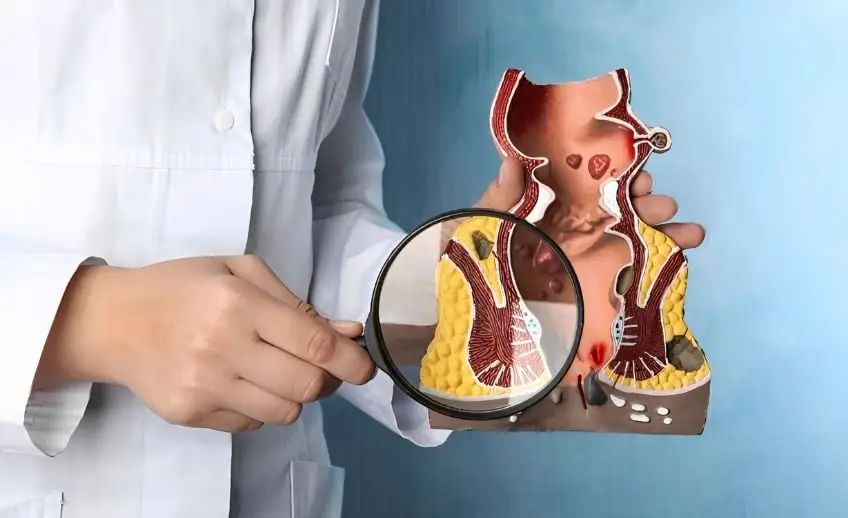
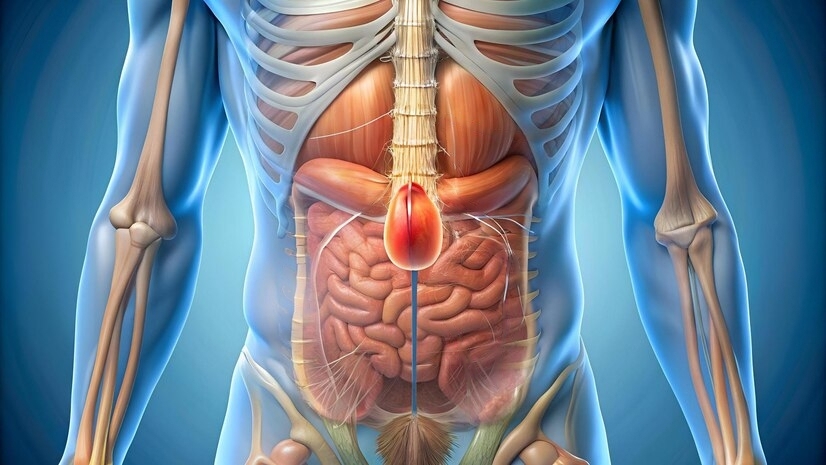
A Pilonidal sinus, also known as a Pilonidal cyst, abscess, or sacrococcygeal fistula, is a small cyst or channel that forms beneath the skin near the tailbone, typically at the top of the buttock crease. It often contains hair, dead skin, and other debris. In some cases, multiple cysts may form and become connected through small passages under the skin.
Causes of Pilonidal Sinus
Pilonidal sinus is influenced by several factors, and certain individuals are more prone to developing it. Common causes and risk factors include:
Occurs more frequently in men
Leading a sedentary lifestyle
Sitting for prolonged periods (e.g., drivers, office workers)
Presence of thick, coarse, or curly body hair
Being overweight or obese
Previous injury or friction in the tailbone area
Family history of pilonidal sinus
Deep or narrow buttock cleft
Recurrence or history of a previous pilonidal cyst
Symptoms Of Pilonidal Sinus
The symptoms of a pilonidal sinus can vary depending on the severity of the condition, but commonly include:
Repeated episodes of pain or swelling near the tailbone
Discharge of yellowish pus or blood from the affected area, often with a foul smell
Presence of a tender or painful lump under the skin near the buttock crease
Discomfort or pain while performing activities such as cycling or sitting for long periods
Occasional fever or general feeling of discomfort when infection is present
Diagnosis of Pilonidal Sinus
In most cases, a detailed discussion of your symptoms combined with a physical examination of the area around the tailbone is sufficient to confirm the diagnosis of a pilonidal sinus.
Frequently asked questions :-
- Is Pilonidal Sinus Dangerous?
A pilonidal sinus or cyst is a cavity that contains hair and skin debris. While it can become infected and form an abscess, it is not considered a life-threatening condition. However, timely medical treatment, especially surgery in cases of infection, is recommended to prevent complications. - Can a Pilonidal Sinus Heal on Its Own?
If the cyst is not infected, it may improve without surgical intervention. You can follow these self-care measures at home to promote healing:
Keep the area clean and dry.
Avoid prolonged sitting.
Regularly remove hair from the affected region.
If pus or discharge is present, consult your doctor—surgery may be necessary.
- Can Females Get Pilonidal Cysts?
Although pilonidal sinus is more common in men due to coarse and dense body hair, women can also develop the condition, especially if similar risk factors exist.
Call Today
9988730422