
Constipation
Constipation doesn’t mean the same thing for everyone. The normal frequency of bowel movements can vary widely — from several times a day to once every few days. Because of this variation, defining constipation precisely for all individuals is difficult. Generally, constipation refers to having fewer than three bowel movements per week or experiencing hard, dry, or difficult-to-pass stools.
While occasional constipation is quite common and usually temporary, some individuals struggle with chronic constipation, which persists for weeks or even longer. This ongoing condition can cause considerable discomfort, abdominal pain, and strain, often disrupting daily routines and lowering overall quality of life.
Causes of Constipation
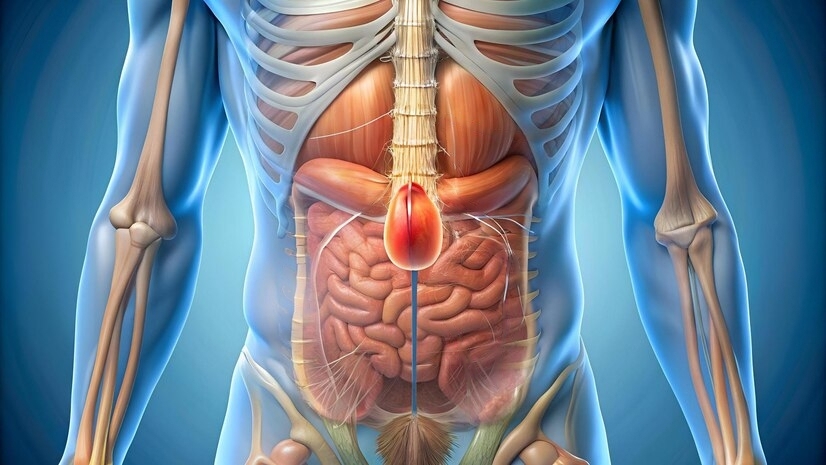
Constipation occurs when stool moves too slowly through the large intestine, allowing excessive water absorption, which makes the stool hard, dry, and difficult to pass.
Common causes include:
Low-fiber diet: Insufficient intake of fruits, vegetables, and whole grains.
Changes in lifestyle or eating habits: Alterations in diet, travel, or daily routine can affect bowel regularity.
Ignoring the urge to pass stool: Common among children, this can lead to stool hardening over time.
Inadequate fluid intake: Not drinking enough water can make stools dry and difficult to pass.
Medications: Certain drugs such as iron supplements, antidepressants, and painkillers may cause constipation as a side effect.
Lack of physical activity: A sedentary lifestyle reduces bowel movement efficiency.
Pregnancy: Increased progesterone levels relax intestinal muscles, slowing down digestion.
Obesity: Excess weight can affect abdominal pressure and bowel function.
Irritable Bowel Syndrome (IBS): Constipation is a common symptom of IBS.
Imbalance of gut bacteria (dysbacteriosis): Loss of healthy intestinal flora may contribute to constipation.
Hormonal disorders: Conditions like hypothyroidism can slow metabolism and bowel movement.
Functional causes: Obstructed Defecation Syndrome (ODS) can lead to constipation and can be diagnosed using advanced imaging such as MRI Defecography (MRD).
Serious medical conditions linked with constipation include:
Colorectal (bowel) cancer
Crohn’s disease
Spinal cord disorders or injuries
Symptoms Of Chronic Constipation
Chronic constipation can manifest in several noticeable ways, often affecting both digestive comfort and overall well-being. Common symptoms include:
Having fewer than three bowel movements per week
Straining during bowel movements more than a quarter of the time
Passing hard, dry, or lumpy stools frequently
A persistent feeling of incomplete evacuation even after passing stool
Abdominal pain or cramps that may worsen after meals
Bloating and discomfort in the stomach
A feeling of fullness, loss of appetite, or occasional nausea
Strong, unpleasant odor in stool or excessive flatulence
In some cases, manual assistance may be needed to pass stool — such as pressing the abdomen or using a finger to help clear the rectum
Diagnosis of Chronic Constipation
While identifying constipation is usually simple, determining the underlying cause—especially in chronic cases—often requires further evaluation. After reviewing your medical history, bowel habits, diet, and lifestyle, your doctor may suggest one or more of the following diagnostic tests:
Rectal Examination or Proctoscopy
A basic rectal check may be done using a lubricated gloved finger or a small instrument called a proctoscope to examine the anal canal and rectum for abnormalities.
Colonoscopy
This test allows direct visualization of the inner lining of the large intestine. A flexible tube fitted with a light and camera is gently inserted through the anus to detect any inflammation, polyps, or structural issues in the bowel.
Anal Manometry
In this procedure, a small device is inserted into the rectum to measure muscle strength and coordination during contraction and relaxation. It helps assess how effectively the rectal muscles and nerves function.
MRI Defecography
This non-invasive test uses magnetic resonance imaging (MRI) to capture detailed images of the pelvic muscles during bowel movements. It helps evaluate rectal and pelvic floor function and can reveal issues such as prolapse, constipation, or incontinence.
Blood Tests
To identify any underlying metabolic or hormonal causes, your doctor may recommend tests such as:
Thyroid function test
Vitamin B12, Vitamin D3, and Calcium levels
Food Intolerance Tests
These may help detect sensitivities or intolerances that can contribute to digestive disturbances and bowel irregularities.
Complications of Chronic Constipation
Occasional constipation rarely leads to serious problems. However, persistent or long-term constipation can cause several complications, including:
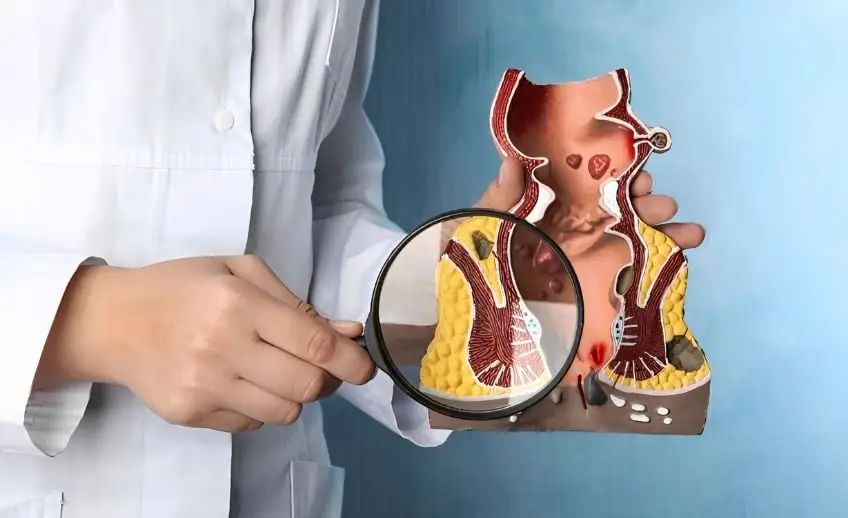
Hemorrhoids (Piles)
Prolonged straining can cause veins in the rectum to swell and become painful, often resulting in bleeding during bowel movements.
Anal Fissure
Passing hard stools may tear the delicate skin around the anus, leading to severe pain and bleeding — further worsening constipation.
Rectal Prolapse
Excessive straining over time can cause part of the rectum to slip out through the anus.
Fecal Impaction
Long-standing constipation may result in the accumulation of hardened stool in the intestines, especially in older adults. Severe impaction can even lead to intestinal blockage or, rarely, perforation.
Sigmoid Volvulus
Chronic constipation increases the risk of twisting of the colon (sigmoid volvulus), a serious condition that requires immediate medical attention.
Impact on Overall Health
Chronic constipation doesn’t just affect bowel function — it can significantly lower one’s quality of life. Persistent discomfort, stress, and strain may indirectly impact the cardiovascular, hormonal, and immune systems, leading to fatigue and reduced well-being.
Frequently asked questions :-
- What can help relieve constipation quickly?
Constipation happens when stool becomes dry, hard, and moves slowly through the intestines, making it difficult to pass. You can often get quick relief by following these simple steps:
Stay hydrated: Drink plenty of water throughout the day.
Eat more fiber: Include fruits, vegetables, and whole grains in your daily diet.
Be physically active: Regular exercise helps stimulate healthy bowel movement.
Don’t ignore the urge: Respond to your body’s natural signals to pass stool.
Avoid prolonged sitting: A sedentary lifestyle can worsen constipation.
- Should I visit a gastroenterologist for constipation?
If constipation persists for more than a week or keeps recurring, it’s best to consult a gastroenterologist. They can help identify the underlying cause and suggest appropriate treatment or lifestyle modifications.
- When should you go to the hospital for constipation?
You should seek medical attention immediately if you experience any of the following:
Fewer than three bowel movements per week
Bleeding during bowel movements
Persistent abdominal pain or cramps
Nausea or vomiting that doesn’t subside
Call Today
9988730422